Which is actually best for a small business in 2026?
Choosing how to build your business website is harder today than it was ten years ago. Instead of simply hiring a web designer, business owners now have dozens of AI website builders, DIY platforms, and managed website services to choose from.Platforms like Wix, Squarespace, Webflow, and AI builders like 10Web promise fast results. But the real question most business owners should ask is:Do you want to build your website, or run your business?This guide breaks down the major options so you can decide which approach actually makes the most sense for your business.
Want a faster option? See how our veteran owned website design process helps businesses launch faster without handling everything themselves.
The 5 Most Common Ways Businesses Build Websites
There are really five main paths today:
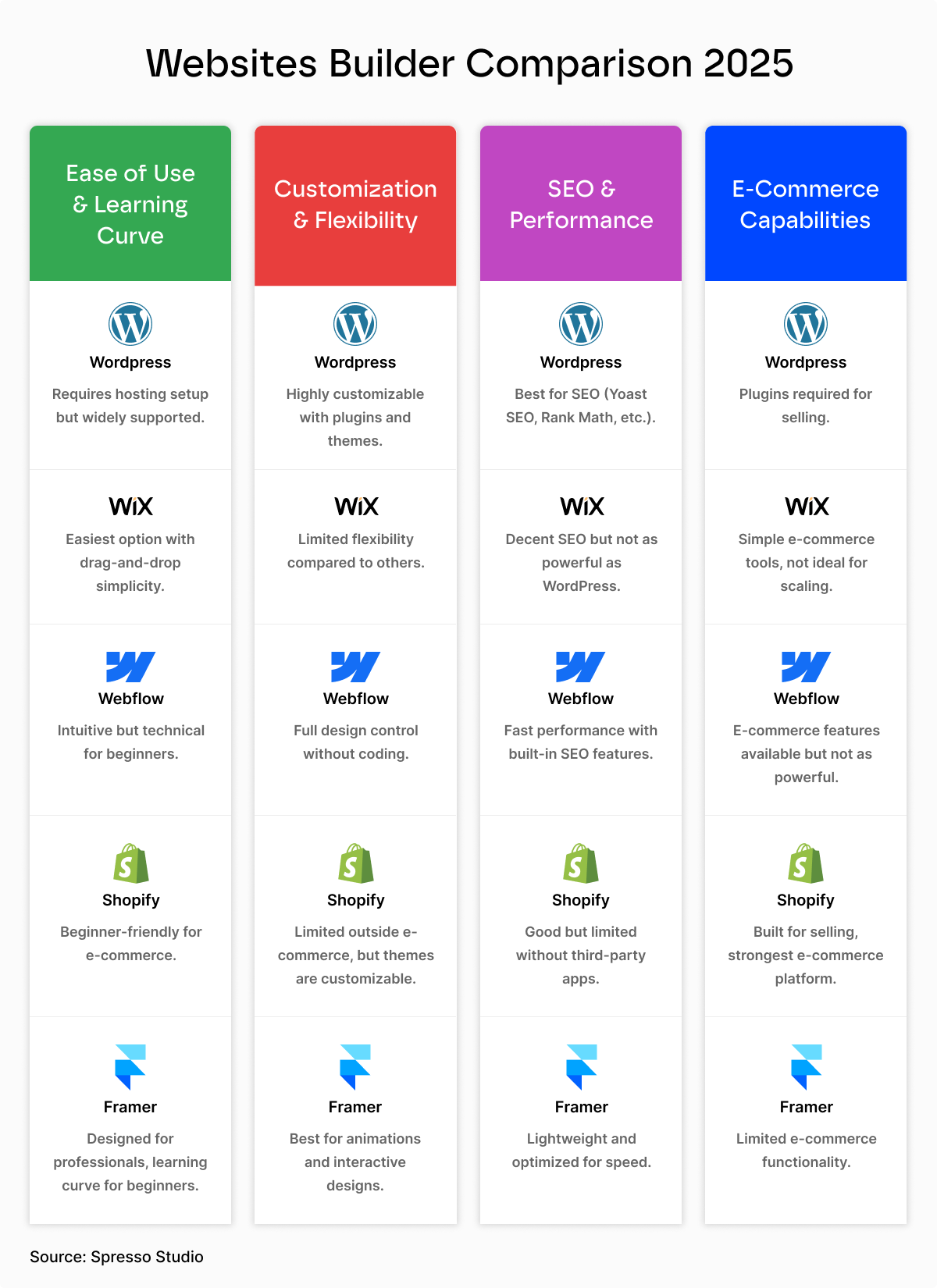
Wix (DIY drag-and-drop builder)
Squarespace (design-focused builder)
Webflow (advanced designer platform)
AI builders like 10Web
Done-for-you website services
Each option has advantages depending on your goals, time, and budget.

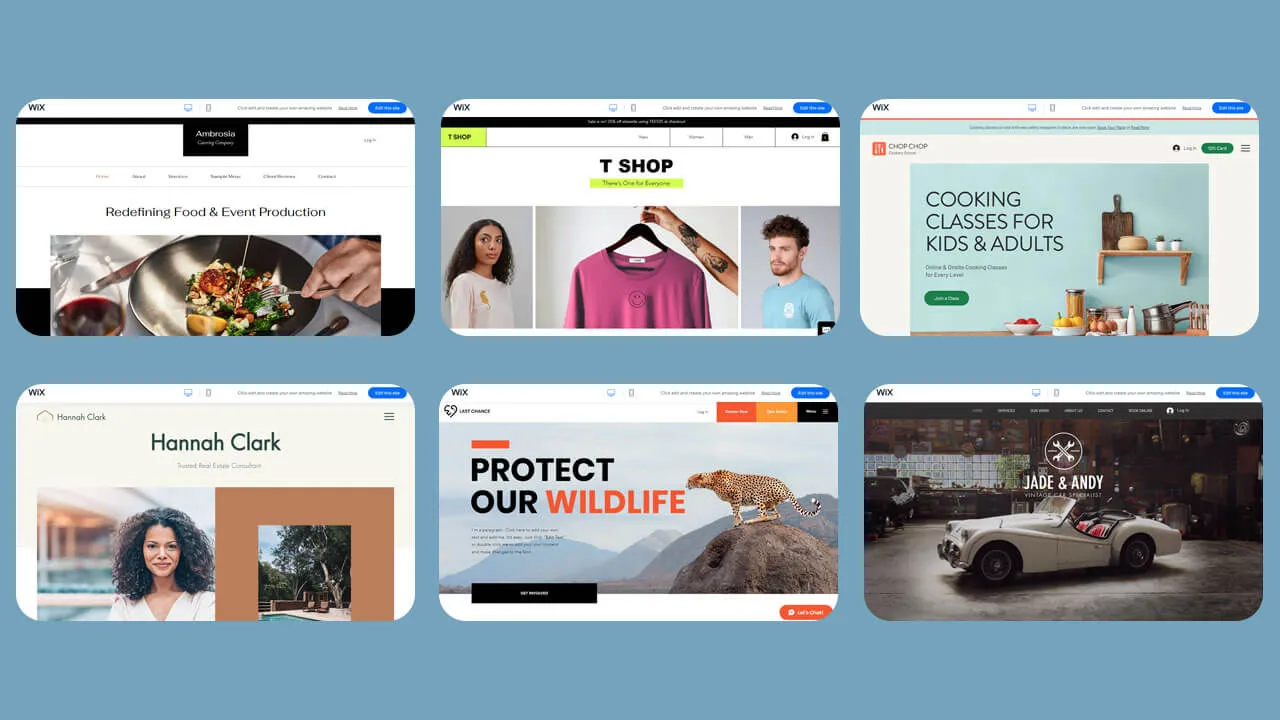
Wix Builder
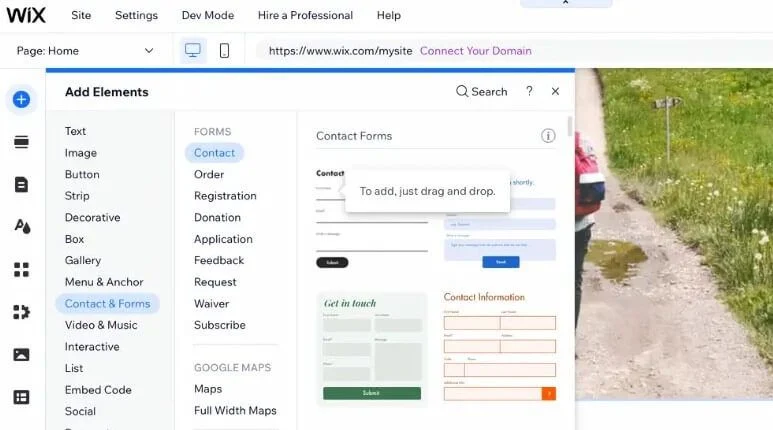
Wix is one of the most widely used website builders for beginners.
Pros
• Easy drag-and-drop editor
• Large template library
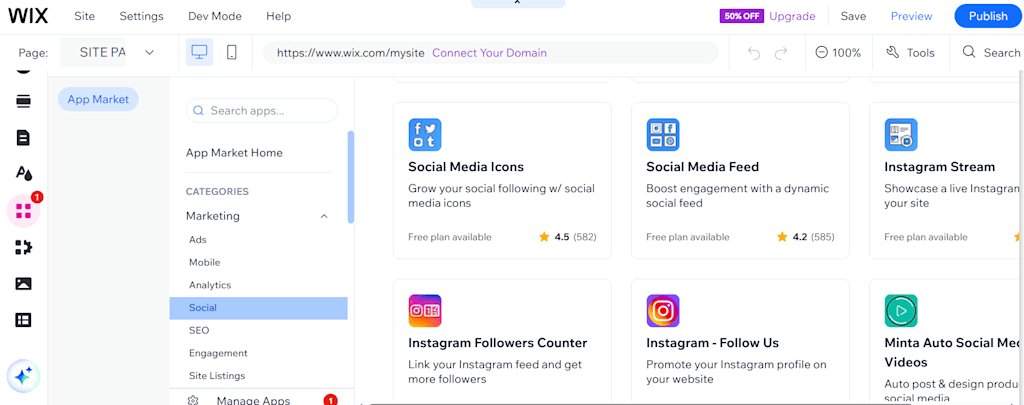
• Built-in hosting
• Quick setup for simple sites
Cons
• SEO limitations compared to WordPress-based platforms
• Design can become messy over time
• Harder to scale as the business grows
• Performance can slow with larger sites
Best for:
Very small businesses or hobby sites that want something simple and fast.
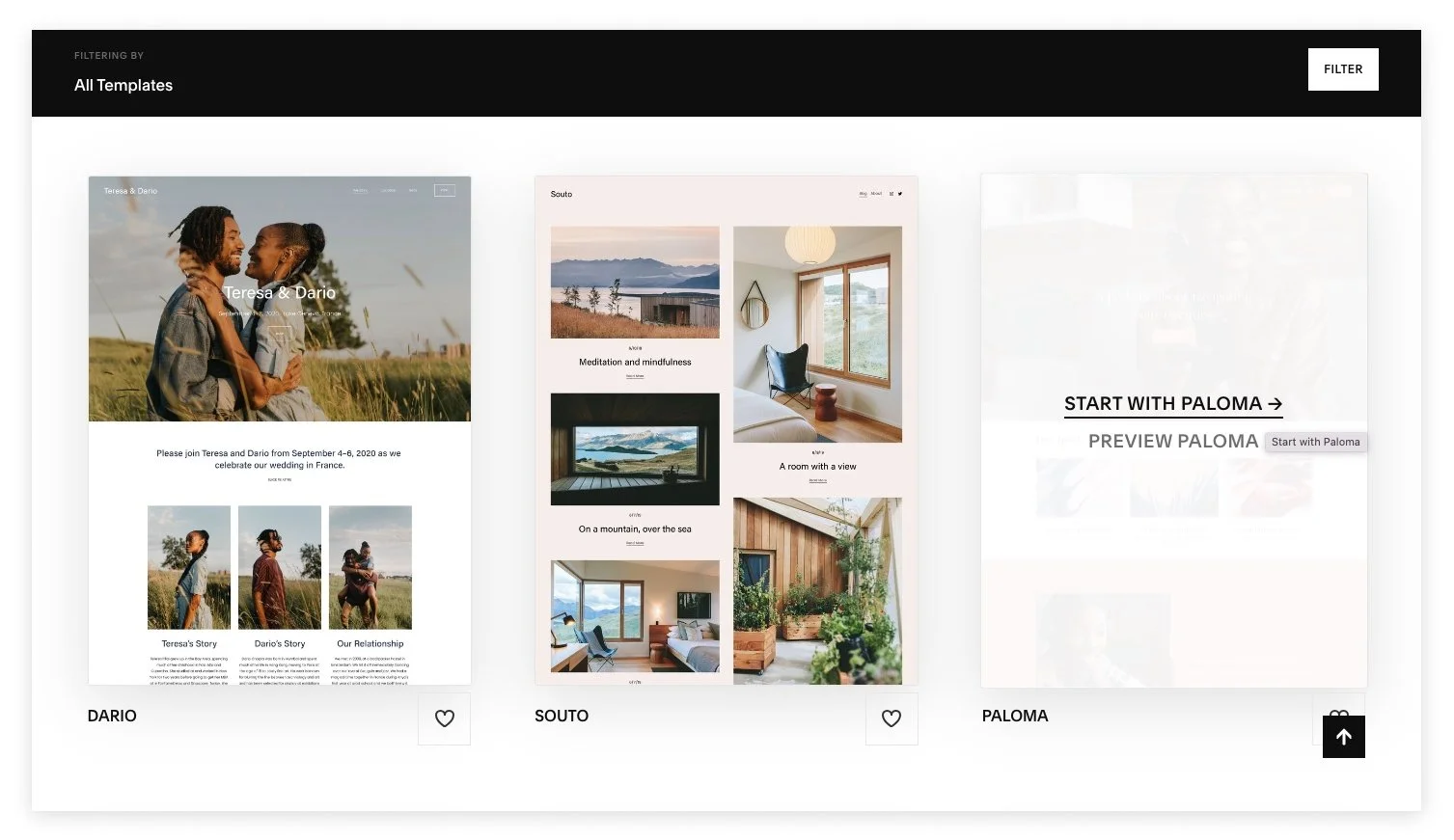
Squarespace
Which is actually best for a small business in 2026?
Pros
• Beautiful templates
• Good blogging tools
• Easy editing
• Good for creatives
Cons
• Less flexible customization
• SEO tools are limited
• Harder to integrate advanced tools
Best for:
Artists, photographers, restaurants, and small portfolio websites.
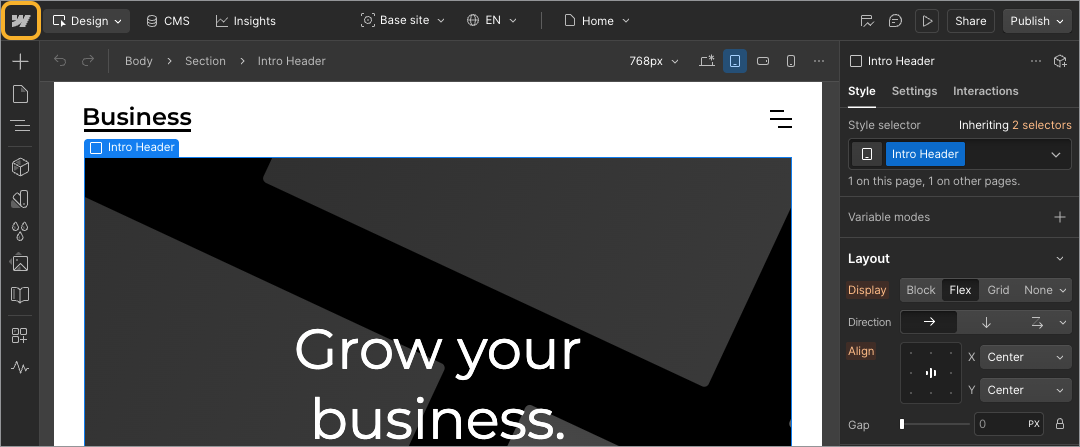
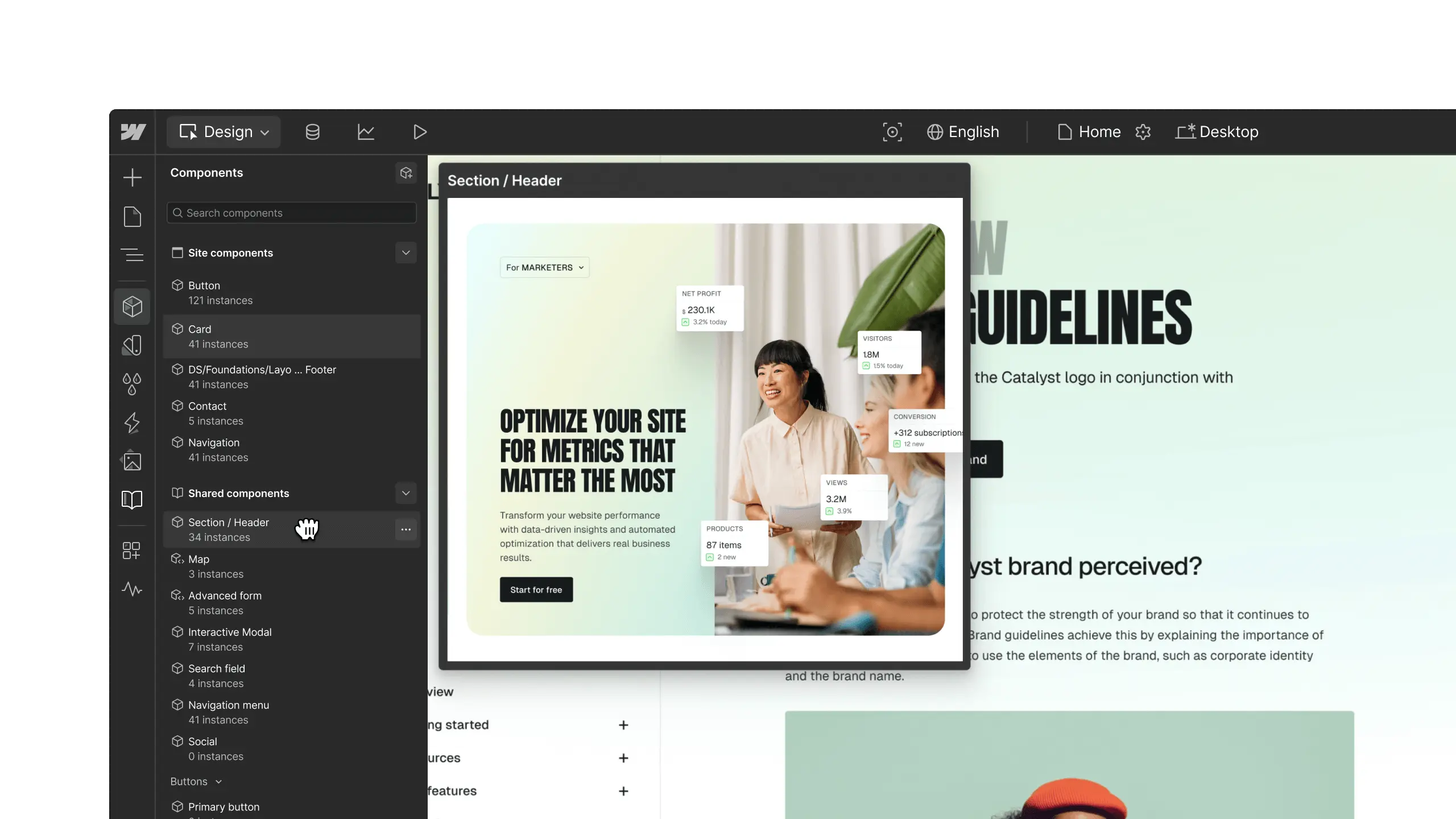
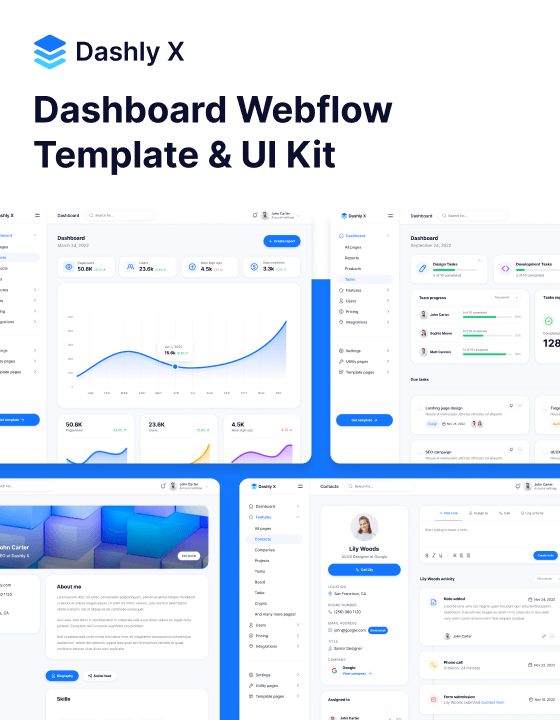
Webflow
Pros
Highly customizable
Strong design flexibility
Cleaner structure for advanced builds
Better for custom layouts and animations
Cons
Steeper learning curve
Not ideal for most small business owners managing it alone
Can become expensive with expert help
Easier to overbuild if the strategy is weak
Best for:
Designers, developers, or businesses with advanced custom needs.
AI Website Builders (10Web and similar platforms)
AI website builders are the newest generation of tools. Platforms like 10Web use artificial intelligence to generate a website structure, layout, and content based on a short prompt.
Pros
• Extremely fast website creation
• Automatic design generation
• AI content suggestions
• WordPress-powered flexibility
Cons
• AI output still requires refinement
• Beginners may struggle with optimization
• Design quality depends on setup and prompts
Best for:
Businesses that want a fast starting point but still need customization.
Done-For-You Website Services
Instead of building the website yourself, a team handles:
• design
• setup
• hosting
• updates
• security
• optimization
The newer model many agencies use is Website-as-a-Service, where businesses pay a monthly fee instead of thousands up front.
Pros
• No technical work required
• Professional design and SEO
• Continuous support and updates
• Faster launch with expert oversight
Cons
• Monthly cost
• Requires choosing a reliable provider
Best for:
Businesses that want results without managing the website themselves.
Want to skip the DIY route? Explore our managed website service for businesses or book a free strategy call.
Book A Free Strategy Call
The Real Difference: DIY vs Managed
The biggest difference between these platforms isn’t the software.
It’s who does the work.
DIY builders require the business owner to handle:
• design
• content
• optimization
• updates
• troubleshooting
Managed website services shift those responsibilities to professionals.
For many business owners, the real cost of DIY websites is time.
Which Option Is Best For Your Business?
Here’s a simple way to think about it.
Choose Wix or Squarespace if:
• you enjoy building things yourself
• the website is not a major business driver
Choose Webflow if:
• you are a designer or developer
• you want full creative control
Choose an AI builder if:
• you want a fast website starting point
Choose a done-for-you service if:
• your website needs to generate leads
• you prefer professionals handling the work
A New Approach: AI-Powered, Human-Refined Websites
Many modern agencies now combine AI speed with professional design expertise.
This approach allows businesses to:
• generate a website draft quickly
• review it before launch
• refine it with expert help
• launch faster with ongoing support
Instead of waiting weeks for a website to be built from scratch, businesses can often see a draft in days.
Want to See What Your Website Could Look Like?
One of the easiest ways to decide is to see a draft first. At Semper Fi Design, we generate a free homepage draft for your business using our AI-powered design process.
You can review the layout, request changes, and decide if you want to launch it.
No pressure. Just a chance to see what your business could look like online.
Final Thoughts
Website builders have made launching a website easier than ever. But the best option still depends on what you value most:
• control
• speed
• cost
• professional results
For many businesses, the winning combination today is AI-assisted design with professional oversight.
It delivers the speed of automation with the quality of expert design.
Businesses that want AI speed with expert refinement can also explore our veteran owned website design services.